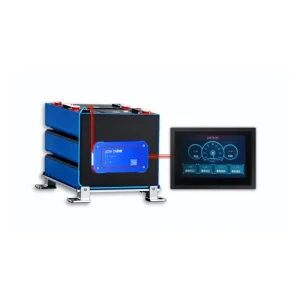
Optimized safety control platforms designed for harsh African climates, remote telecommunications, and regional mining operations.
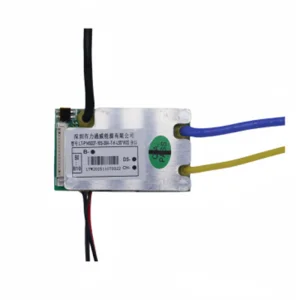
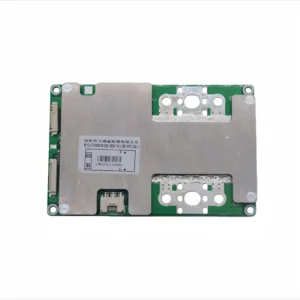
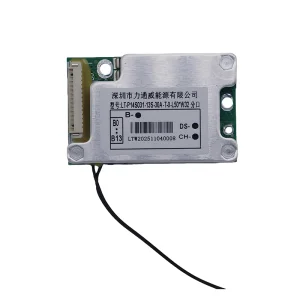
Namibia is aggressively pursuing energy self-sufficiency under the Harambee Prosperity Plan II and National Integrated Resource Plan (NIRP). Historically dependent on imported power from South Africa's ESKOM network, Namibia is capitalizing on its vast solar irradiance—averaging over 3,000 hours of sunshine annually—to build domestic capacity. However, solar PV alone cannot secure grid stability; battery energy storage systems (BESS) are essential.
The harsh environmental realities of Namibia, characterized by extreme temperature fluctuations in the Namib Desert (ranging from below 0°C at night to over 45°C during the day), place immense thermal and electrical stress on lithium-ion battery cells. Without a robust, hardware-level Battery Management System (BMS), cell degradation accelerates, thermal runaway risks skyrocket, and commercial investments fail prematurely.
Whether deploying solar-plus-storage mini-grids in the Kunene region, backing up remote telecommunication base stations along the Trans-Kalahari Corridor, or powering underground utility loaders in Erongo's uranium and lithium mines, the BMS acts as the vital safeguard of energy investments.
As a leading national high-tech enterprise, Shenzhen Litongwei Electronic Technology Co., Ltd. supplies industrial-grade BMS components that thrive in Africa's most demanding conditions. By utilizing advanced hardware-level analog circuit protections combined with high-precision NTC thermistors, we guarantee battery pack longevity and consistent runtime.
How customized Hardware BMS architectures address specific regional and commercial pain points.
Namibia is a global powerhouse for uranium, diamonds, and battery minerals (lithium, cobalt). Large-scale mining camps operate far from the national grid. Industrial battery packs powering equipment, mining loaders, and remote telemetry require 20S to 24S high-current BMS (up to 200A continuous discharge) to resist extreme vibrations, heavy dust exposure, and transient overcurrents during heavy motor startups.
With thousands of kilometers of rural terrain, mobile operators like MTC and Telecom Namibia rely heavily on battery backups. When main grids drop or solar panels cycle off, these stations switch to lithium battery packs. Our low-power 13S 30A BMS structures are deployed to regulate standby currents, block reverse-charging, and monitor thermal thresholds via integrated NTC sensors, ensuring remote maintenance costs remain at zero.
Farming regions in central and northern Namibia rely on solar-powered water pumps and cold storage systems. These setups use decentralized LiFePO4 packs. A high-quality BMS prevents over-discharging when solar inputs drop during seasonal dust storms, preventing system failures and protecting local livelihoods.
Navigating the global supply chain requires partners who offer scale, certified quality control, and strict cost efficiency. Shenzhen Litongwei Electronic Technology Co., Ltd. addresses these requirements by integrating state-of-the-art Chinese manufacturing processes with international engineering standards.
Established in 2005, Shenzhen Litongwei Electronic Technology Co., Ltd. is a national high-tech enterprise specializing in the R&D and manufacturing of lithium-ion safety control systems. Our products are widely used in 3C digital devices, electric scooters, bicycles, motorcycles, tricycles, golf carts, AGVs, drones, and power tools. We provide intellectual property protection (patent collaboration to prevent infringement), industry-standard shared boards (cost reduction and efficiency improvement), full-process traceability (quality control), and remote maintenance (cloud platform support) to help you address technical, cost, and operational challenges. By choosing us, you'll receive top-tier products and services. Litongwei is committed to collaborating with you to build a brighter future together.
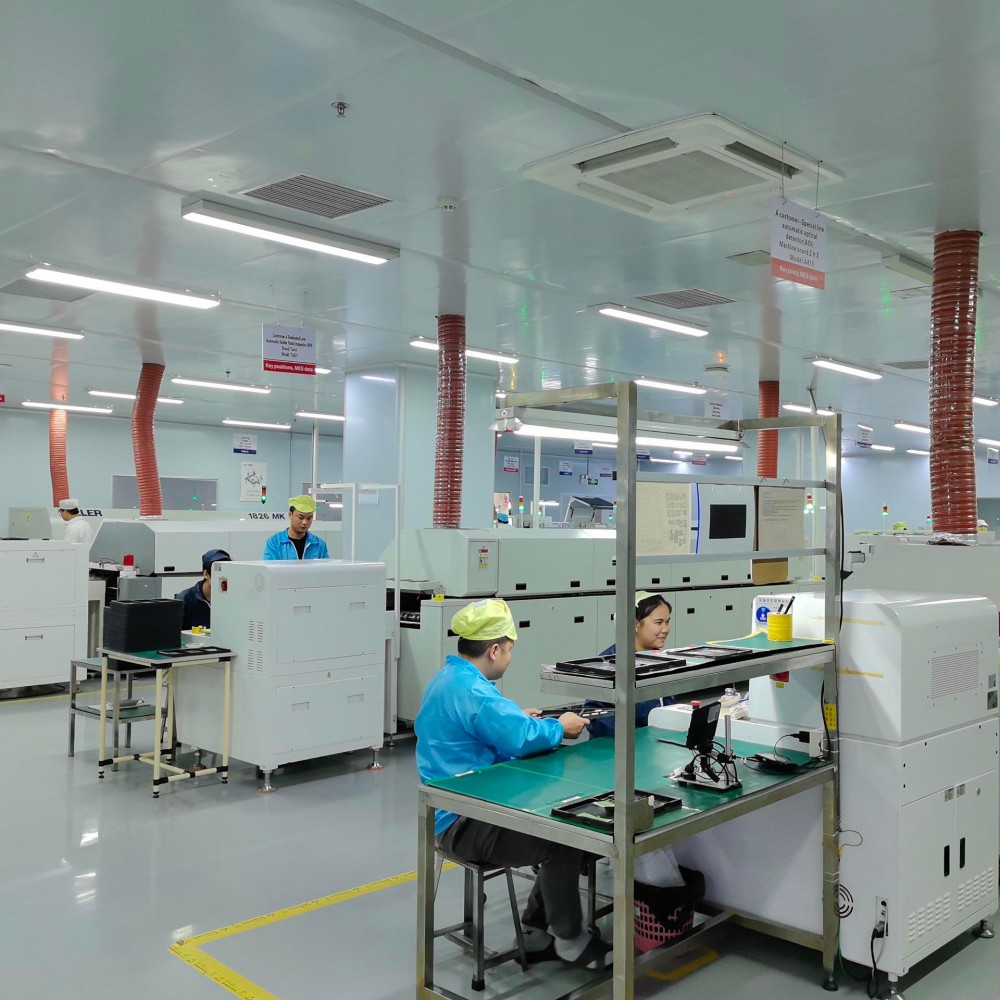
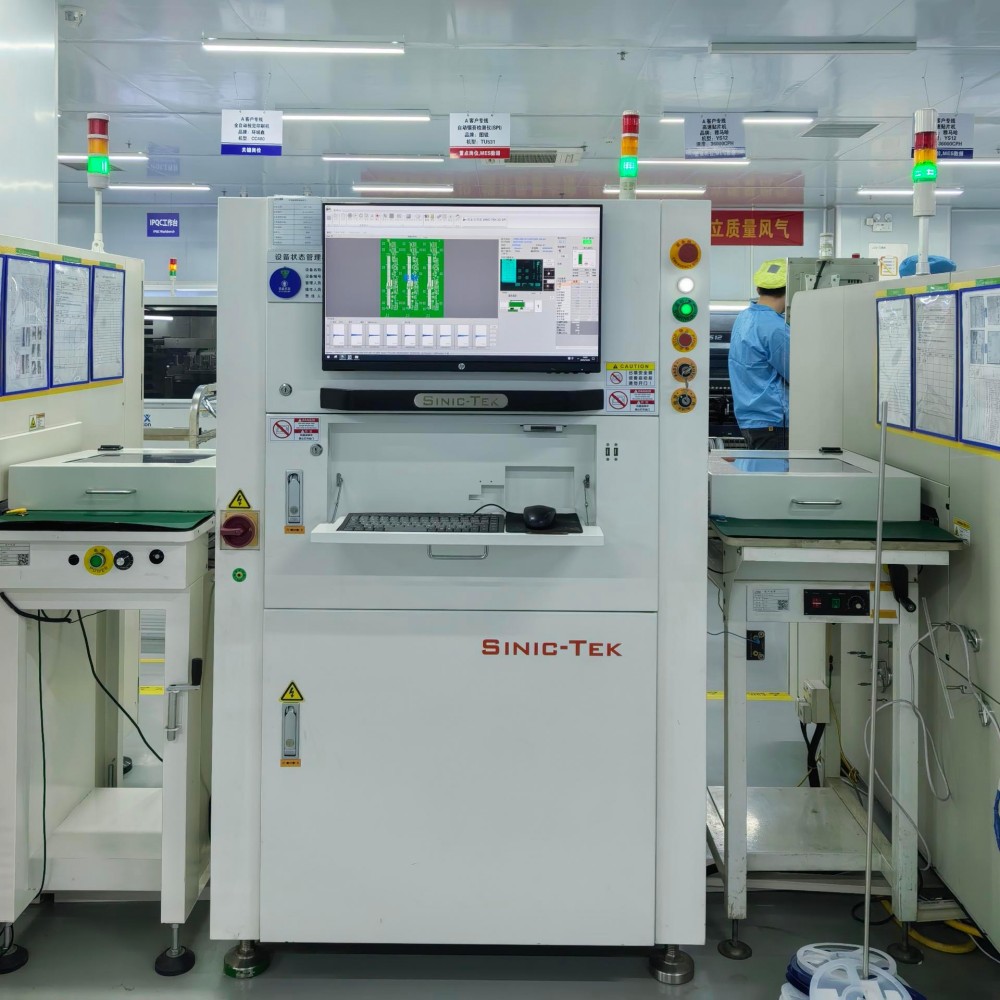

Over two decades of pioneer work in the energy storage industry.
Technology-driven growth. In 2005, the company commenced R&D and manufacturing of digital Battery Management Systems (BMS). By 2006, it expanded into power battery management system development. ISO9001 certification was obtained in 2007, followed by ISO14001 certification in 2009.
Technological advancement. The company secured 8 utility model and design patents in 2011, while expanding its mobile power bank manufacturing operations. The Litongwei Technology Research Institute was established in 2012. It received the Del New Energy Quality Excellence Award in 2014 and earned the Gold Partner title from Gaogong Lithium Battery in 2015.
Digital transformation. The company upgraded its ISO 9001 and ISO14001 certifications in 2016, achieved IATF16949 certification in 2018, and implemented an MES system for warehouse automation. It was awarded the Guangdong Battery Industry Association Innovation Award in 2019 and recognized as a leading brand in lithium battery protection board technology for two-wheeled vehicles in 2020.
Smart Manufacturing+. Litongwei Electronics continues to innovate, deepening its technological expertise while embracing IoT and Industry 4.0. Through its Smart Manufacturing+ strategy, the company drives industrial transformation and upgrading.
LITONGWEI has always adhered to the philosophy of "Technology as King, Efficient Service" in all aspects of production and operations. Our vision is to become a provider of intelligent green energy management solutions, embracing environmental sustainability. Start with LITONGWEI!
Litongwei's partners include Huawei, Lenovo, Desay, Guoguang, Sunwoda, Eve Energy, Guoxuan High-tech, and other industry brand clients who have collaborated for many years.







Complete listing of high-safety controllers, power banks, and micro-inverter solutions.
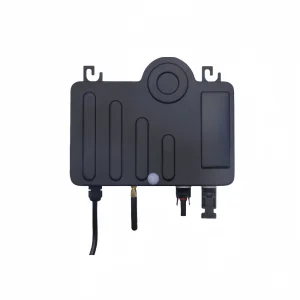

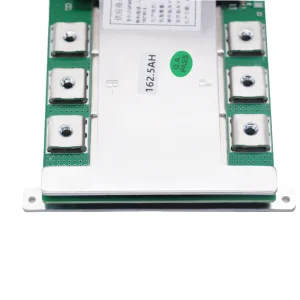
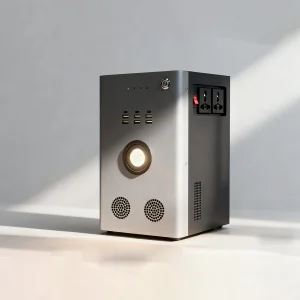
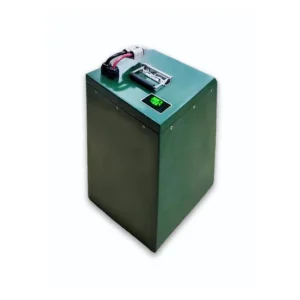
Answering critical queries on engineering specifications, delivery timelines to Namibia, and customizations.
For remote field installations, such as rural Namibian telecom towers or desert water pumps, simplicity equals reliability. A Hardware-only BMS uses dedicated analog circuits and comparators for voltage and current protection instead of a micro-controller unit (MCU) executing code. This eliminates risk associated with firmware crashes, memory corruption, or software hangs under high temperatures. Hardware BMS boards respond in microseconds to overcharge, over-discharge, and short-circuit conditions, making them ideal for high-availability systems with minimal on-site servicing.
Our BMS boards feature integrated Negative Temperature Coefficient (NTC) thermistors. These sensors are attached directly to battery cells to detect sudden temperature rises. If cell temperatures exceed safety thresholds (typically preset at 55°C or customized), the BMS automatically disconnects the charge or discharge loop. Additionally, our heavy-current boards (such as the 20S 200A model) utilize low-resistance MOSFETs and customized aluminum heat sinks to disperse heat efficiently, preventing localized thermal buildup.
For standard models, manufacturing and QC testing take approximately 10 to 15 working days. Custom configurations require 20 to 30 days depending on complexity. We ship products globally from ports in Shenzhen or Guangzhou, China, directly to the Port of Walvis Bay via major shipping lines. For urgent prototype evaluations, air freight services (DHL, FedEx, UPS) deliver products to Windhoek Hosea Kutako International Airport within 5 to 7 business days.
Yes. Our BMS lines are designed to communicate with off-grid micro-inverters. We offer specific same-port and split-port configurations that support high dynamic surge currents, typical of micro-inverter startup phases, without triggering false overcurrent warnings.
Litongwei holds more than 100 patents in circuit layouts, automation, and test programs. We practice strict IP compliance and collaborate directly with clients to co-develop custom layouts, mitigating any legal risks when importing and distributing our solutions in international markets.
 Litongwei Electronic