As we approach 2026, optimizing your Battery Control System becomes crucial. The increasing demand for efficient energy storage solutions poses both challenges and opportunities. Modern battery technologies are advancing quickly. Therefore, adapting your control systems is key to staying competitive.
Battery Control Systems play a vital role in managing energy flow, efficiency, and longevity. Poorly optimized systems can lead to reduced performance and shorter battery life. Consider evaluating your current architecture and identifying potential weaknesses.
Practical experience shows that a proactive approach can yield significant improvements. Implementing real-time monitoring can offer valuable insights. Regular updates to software and algorithms can enhance responsiveness and accuracy. Reflect on your existing strategies and assess their effectiveness. Stay tuned to industry trends and emerging technologies to maintain an edge.
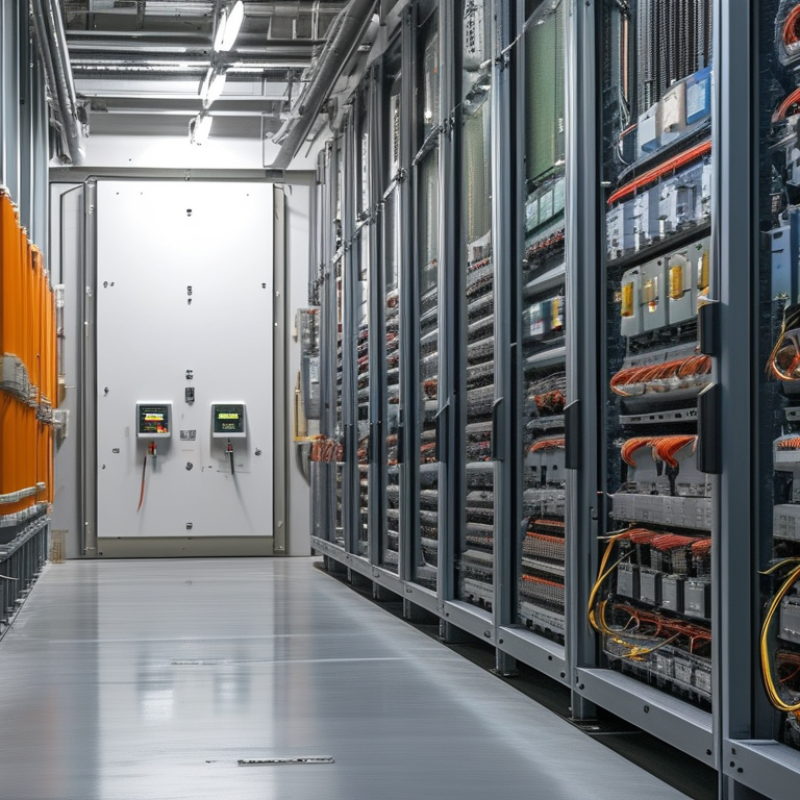
Understanding Battery Control Systems: Key Components and Functions
Battery control systems are essential for optimizing performance and lifespan. These systems monitor and regulate battery pack conditions, ensuring safe operation. Key components include battery management systems (BMS), sensors, and control algorithms. A reliable BMS can prevent issues like overcharging or deep discharging, which can severely impact battery health.
Sensors play a crucial role in gathering real-time data. They track voltage, current, and temperature, allowing the BMS to adjust accordingly. This responsive approach enhances efficiency but can be complex. Improperly calibrated sensors can lead to inaccurate readings, creating potential hazards.
Control algorithms are the brain of the battery system. They decide when to charge or discharge based on data from sensors. While these algorithms can optimize performance, they require regular updates and refinement. An outdated algorithm can diminish efficiency. Continuous assessment of the battery system is necessary to address any flaws and improve reliability in operation.
Current Industry Standards for Battery Control Systems in 2026
As the demand for efficient battery control systems grows, understanding the current industry standards for 2026 is essential. Battery technology is advancing rapidly. New regulations focus on safety, reliability, and performance. These guidelines aim to enhance energy density and extend battery life while ensuring user safety.
Tips for optimization include regular software updates. Staying current with software ensures compatibility and improved performance. Additionally, integrating smart charging algorithms can adapt charging patterns to user behavior. This approach can significantly enhance battery longevity.
However, businesses must also address shortcomings in existing systems. Many still rely on outdated technologies. This delay can hinder progress. Effective collaboration among engineers, manufacturers, and researchers is vital. Sharing insights can drive innovation and help establish robust industry standards. Embracing change is crucial in a fast-evolving market.
Innovative Technologies Enhancing Battery Management Efficiency
As we approach 2026, battery management systems are set to evolve dramatically. Innovative technologies are enhancing battery management efficiency, making it essential to stay informed. Data analytics plays a crucial role in monitoring battery performance. By implementing predictive algorithms, we can foresee potential issues before they arise. This proactive approach helps reduce downtime and costs associated with battery failures.
Tips: Regularly update software to ensure algorithms stay current. Integrate real-time data collection for more accurate analytics.
Another fascinating development is the use of AI in battery management. AI can optimize charging cycles based on usage patterns. This leads to better energy efficiency and longer battery life. However, we must remain aware of AI’s limitations. Trusting AI without human oversight can result in unexpected failures. Balancing technology with human expertise is key.
Tips: Develop a training program for staff on new technologies. Schedule regular reviews of AI recommendations to assess their accuracy.
Ultimately, staying ahead in battery management means embracing new technologies while recognizing their boundaries. Continuous learning and adaptation are vital in this fast-paced field.
Data Analytics and Machine Learning in Battery Control Systems
Data analytics and machine learning are revolutionizing battery control systems. By 2026, effective integration of these technologies will be critical. According to recent reports, the global market for battery management systems is expected to reach $8.5 billion by 2026, growing at a significant rate. This growth highlights the increasing importance of data-driven decision-making in battery management.
Machine learning algorithms can analyze extensive datasets in real time. These algorithms improve predictions about battery performance and lifespan. For instance, predictive analytics can enhance cycle life forecasts. However, inaccuracies in models can still arise. Fine-tuning algorithms remains a challenge that requires ongoing research and testing. Not every solution works seamlessly across different battery chemistries.
Data analytics also allows for better monitoring of battery health. Insights into voltage, temperature, and charge cycles help identify potential failures early. Yet, interpreting data can be complex and prone to human error. Creating clear visualization tools is vital for engineers. Ultimately, as technology evolves, the need for reliable data and interpretation will only grow.
Regulatory Trends and Environmental Considerations for Battery Systems
As battery systems evolve, regulatory trends push for greater environmental considerations. The shift towards sustainable energy solutions increases scrutiny on battery production, usage, and disposal. According to a report from the International Energy Agency, over 60% of global lithium-ion batteries will need to be recycled by 2030 to meet targets. This statistic highlights the urgent need for manufacturers to adapt to new regulations aimed at minimizing environmental impact.
New legislation is emerging to enforce stricter standards on the lifecycle of battery systems. For instance, the European Union's Battery Regulation emphasizes the necessity for batteries to be eco-friendly and recyclable. This requires manufacturers to rethink materials and processes. They must invest in sustainable sourcing and innovative recycling technologies. A study by BloombergNEF indicates that the recycling market for lithium batteries could attain a value of $7 billion by 2027, reflecting the demand for greener practices.
Yet, implementing these changes poses challenges. Some manufacturers may resist due to higher initial costs and limited infrastructure for recycling. The complexity of compliance can hinder progress. Adapting to these demands is not merely about meeting regulations; it's about leading the industry toward a sustainable future. Professionals in battery technology must confront these realities, as failure to adjust could impede innovation and growth in the sector.
FAQS
: Battery control systems monitor and manage battery pack conditions for optimal performance and safety.
Sensors gather real-time data on voltage, current, and temperature, helping the system adjust as needed.
Improperly calibrated sensors can give wrong readings, leading to safety hazards and inefficiencies.
Control algorithms determine when to charge or discharge the battery based on sensor data.
Outdated algorithms can reduce efficiency, making regular updates crucial for optimal performance.
Predictive algorithms help identify potential issues early, reducing downtime and failure costs.
AI can optimize functions but may fail without human oversight, leading to unexpected issues.
Emerging regulations emphasize sustainable production, usage, and recycling of batteries to minimize environmental harm.
Some manufacturers resist changes due to higher costs and the complexity of compliance procedures.
Continuous learning is vital for adapting to new technologies and maintaining competitive advantages in the industry.
Conclusion
In the quest to optimize Battery Control Systems for 2026, understanding their key components and functions is crucial. This involves familiarizing oneself with current industry standards, which are evolving to meet increased demands for efficiency and safety. Innovative technologies are being integrated to enhance battery management efficiency, while tools like data analytics and machine learning are revolutionizing how battery systems operate, providing insights that lead to improved performance and longevity.
Moreover, regulatory trends and environmental considerations are playing a significant role in shaping the future of Battery Control Systems. Companies must adapt to these changing regulations while prioritizing sustainability to ensure their systems meet both consumer and ecological needs. By embracing these advancements and considerations, stakeholders can position themselves favorably in an increasingly competitive market.

 Litongwei Electronic